
What Does Ayurveda Say About Anxiety?
Learn how Ayurveda understands anxiety as a dosha imbalance. Discover its causes, symptoms, and Ayurvedic treatments like Abhyanga, Shirodhara, herbs, and lifestyle practices.

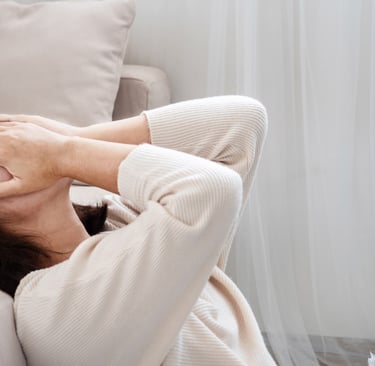
How does Ayurveda define anxiety?
Ayurveda defines anxiety as a disturbance of Vata dosha that unsettles the mind and nervous system.
Vata is the dosha made of air and space. It governs movement, breathing, circulation, and thought. When Vata is balanced, you feel creative, alert, and energetic. But when it is aggravated — through stress, irregular routines, or overstimulation — the mind becomes restless, leading to worry, fear, and anxiety.
Unlike modern medicine, which classifies anxiety as a mental health condition, Ayurveda views it as a systemic imbalance that affects both body and mind.
What causes anxiety in Ayurveda?
Anxiety is caused by Vata imbalance, often aggravated by lifestyle and environmental factors.
Common triggers include:
Irregular sleep and eating patterns
Excess screen time and sensory overload
Travel, overstimulation, and constant change
Excessive caffeine or dry, light foods that increase Vata
Emotional trauma or chronic stress
When Vata rises beyond balance, the nervous system becomes overactive, producing symptoms like racing thoughts, palpitations, and digestive upset.
What are the symptoms of anxiety according to Ayurveda?
Ayurveda describes anxiety through both physical and emotional symptoms linked to Vata imbalance.
Mental symptoms: Restlessness, constant worrying, overthinking, inability to focus, fearfulness.
Physical symptoms: Insomnia, dry skin, constipation, palpitations, trembling, shortness of breath.
Emotional symptoms: Feeling ungrounded, insecure, or disconnected.
Because Vata is mobile and light, anxiety often feels like “too much movement” in the mind and body.
How does Ayurveda treat anxiety?
Ayurveda treats anxiety by calming Vata dosha through therapies, herbs, diet, and lifestyle practices.
The goal is to ground, warm, and stabilize the nervous system. Treatments include:
Abhyanga (oil massage): Warm sesame or medicated oils calm the nerves and release stored tension.
Shirodhara (oil pouring): A steady stream of oil on the forehead induces deep relaxation and slows racing thoughts.
Takradhara or Ksheeradhara: Cooling but nourishing pour therapies that soothe Pitta-related anxiety with irritability or heat.
Herbs like Ashwagandha, Brahmi, Jatamansi: Support stress resilience and mental calm.
Breathing and meditation: Slow pranayama (e.g. alternate nostril breathing) balances the mind.
These therapies are often combined in programs that address the whole person, not just the symptom.
What foods help reduce anxiety in Ayurveda?
Ayurveda recommends warm, nourishing, grounding foods to reduce anxiety.
Best foods: Cooked grains (rice, oats), root vegetables, ghee, warm milk with spices, soups, stews, nuts, and seeds.
Avoid: Cold, raw, or dry foods; excessive caffeine, alcohol, and refined sugar.
Because Vata is dry, light, and cold, the opposite qualities — warm, moist, and grounding — help restore calm. Eating at regular times is just as important as food choice.
What herbs are used in Ayurveda for anxiety?
Ayurvedic herbs for anxiety help calm the mind, strengthen resilience, and nourish the nervous system.
Ashwagandha: Reduces cortisol, improves sleep, and lowers stress.
Brahmi: Supports concentration and mental clarity.
Jatamansi: A natural sedative herb used for restlessness and insomnia.
Tulsi (Holy Basil): Balances stress hormones and uplifts mood.
Gotu Kola: Improves focus and helps calm worry.
These herbs are often prescribed in oils, teas, powders, or tablets, customized to the individual.
What lifestyle practices reduce anxiety in Ayurveda?
Ayurveda emphasizes daily routine (dinacharya) and mindfulness practices to prevent anxiety.
Regular routine: Sleep and wake up at the same time daily.
Self-massage (self-Abhyanga): Apply warm oil before showering to ground Vata.
Breathing practices (pranayama): Alternate nostril breathing (nadi shodhana) and belly breathing calm the mind.
Yoga: Gentle, grounding poses like child’s pose, forward bends, and restorative postures.
Meditation and mantra: Quiet the mind and reconnect with inner stillness.
Nature time: Walks in calm, natural environments help rebalance Vata.
Small, consistent routines matter more than occasional big changes.
Who should consider Ayurvedic treatment for anxiety?
Ayurveda is suited for people with anxiety symptoms linked to stress, restlessness, and lifestyle imbalance.
It’s especially helpful for:
Professionals experiencing burnout and racing thoughts
Individuals with insomnia, digestive upset, or palpitations from anxiety
People sensitive to stimulants and sensory overload
Those seeking natural, non-pharmaceutical approaches
However, Ayurveda works best when guided by a practitioner who can tailor therapies to your constitution and health history.
How is Ayurveda’s approach to anxiety different from modern medicine?
Ayurveda approaches anxiety as a systemic imbalance rather than just a mental disorder.
Modern medicine may prescribe anti-anxiety drugs or therapy sessions. Ayurveda, however, sees anxiety as Vata aggravation that affects body and mind. Treatment is holistic: massage, diet, herbs, breathing, and mindfulness are combined to restore harmony. This not only relieves symptoms but also builds long-term resilience.
Conclusion: Ayurveda’s wisdom for anxiety relief
Ayurveda teaches that anxiety is not a random condition, but a sign of Vata imbalance disrupting the nervous system. By calming, grounding, and nourishing body and mind through therapies like Abhyanga and Shirodhara, herbs like Ashwagandha and Brahmi, and routines that honor natural rhythms, Ayurveda offers a holistic path to peace.
In a fast-moving world where the mind rarely rests, these ancient practices remind us: stillness and balance are always within reach.


Contacts
#29 Jalandoni Compound, Don B. Hernandez St. , Pasay City, Philippines 4210
+63 906 249 2463
info@houseofarogya.com
Copyright © 2025 House of Arogya