
Abhyanga and Dhara Therapies: How Ayurvedic Oil Massage and Pouring Treatments Work Together
Blog post description.Discover how Abhyanga (Ayurvedic oil massage) and Dhara therapies like Shirodhara, Takradhara, and Ksheeradhara complement each other. Learn what they are, their benefits, and who they’re best for.
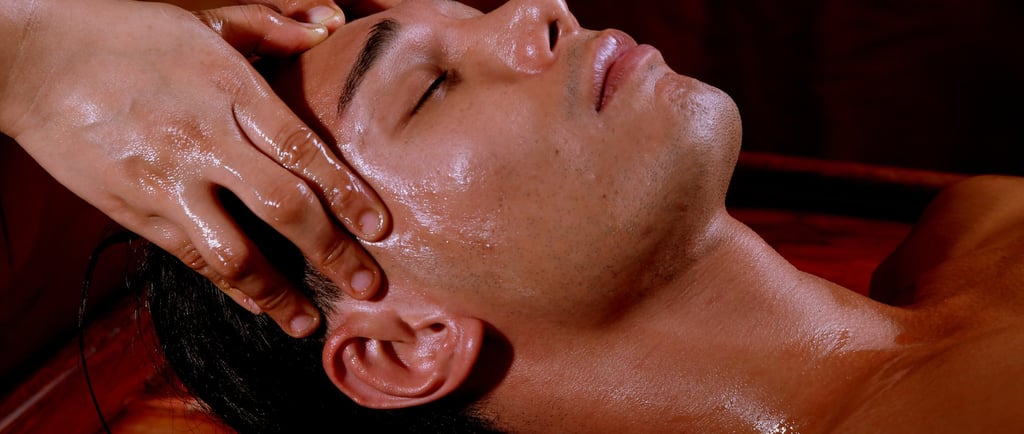
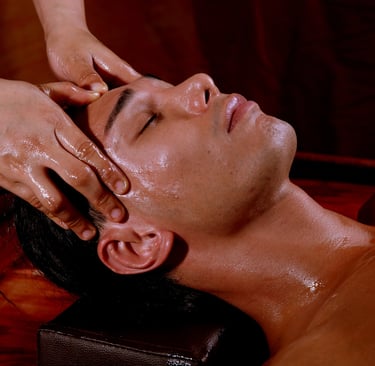
What is Abhyanga and why is it important in Ayurveda?
Abhyanga is a traditional full-body Ayurvedic massage using warm, dosha-specific oils to calm the mind, nourish the skin, and balance the body.
In Sanskrit, abhi means “toward” and anga means “limb/body.” The treatment involves applying warm medicated oil in rhythmic strokes, often synchronized by two therapists, covering the head, torso, limbs, and joints. It’s considered part of dinacharya (daily self-care) in Ayurveda, and is also used therapeutically for stress, fatigue, stiffness, and Vata imbalance.
Abhyanga is not just about relaxation. The oils penetrate the tissues (dhatus), support circulation, and prepare the body for deeper therapies like Dhara treatments. That’s why many Ayurvedic protocols begin with Abhyanga — it “opens the channels” for the next step.
What are Dhara therapies in Ayurveda?
Dhara therapies are Ayurvedic treatments where a liquid is poured in a steady stream over the body or forehead to calm the nervous system.
Dhara means “stream” or “flow.” Depending on the liquid used — medicated oil, milk, or buttermilk — the treatment addresses different imbalances. The three main types are:
Shirodhara (oil or decoction poured on forehead)
Takradhara (cooling medicated buttermilk poured on forehead or body)
Ksheeradhara (herbal milk poured on forehead or body)
Each has unique effects but shares the goal of deep relaxation, dosha balancing, and nervous system reset. When combined with Abhyanga, their benefits often multiply.
What happens when Abhyanga is combined with Dhara therapies?
When Abhyanga is combined with Dhara therapies, the oil massage prepares the body and mind to receive the pouring treatment more effectively.
The warm oil in Abhyanga loosens stiffness, improves circulation, and calms Vata dosha. Once the body is relaxed, the steady flow of liquid in Dhara therapy penetrates more deeply into the nervous system, inducing profound calm. This sequence is often recommended in Panchakarma (Ayurvedic detox) programs, where Abhyanga is followed by Shirodhara or other Dharas to maximize results.
Clients often describe the combination as entering “a new level of stillness” — first the body unwinds with massage, then the mind is soothed with the Dhara stream
What are the benefits of combining Abhyanga with Shirodhara?
Combining Abhyanga with Shirodhara provides whole-body relaxation and deep mental calm. Abhyanga reduces muscular tension and nourishes the tissues, while Shirodhara focuses on the nervous system and mental balance. Together, they help with:
Stress and anxiety relief
Insomnia and poor sleep
Chronic headaches and migraines
Emotional stability
Fatigue and burnout
This duo is especially helpful for people whose stress shows up both in the body (tightness, restlessness) and the mind (racing thoughts, insomnia).
What are the benefits of combining Abhyanga with Takradhara?
Abhyanga plus Takradhara works well for cooling and soothing heat-related conditions. Takradhara uses medicated buttermilk, which is naturally cooling and anti-inflammatory. When paired with Abhyanga, it not only calms the nervous system but also addresses:
Psoriasis, eczema, and other skin disorders
Excess body heat and Pitta imbalance
Stress-related insomnia
Hypertension (mild to moderate)
Scalp irritation and hair issues
This combination is best for people in hot climates (like the Philippines), or those prone to skin problems, irritability, and heat-driven conditions.
What are the benefits of combining Abhyanga with Ksheeradhara?
Abhyanga plus Ksheeradhara nourishes, cools, and rejuvenates the body simultaneously. Ksheeradhara uses warm medicated milk infused with herbs, which adds a layer of nourishment along with its cooling effect. When combined with Abhyanga, it can:
Calm stress while nourishing skin and hair
Improve sleep and reduce mental irritability
Restore vitality in cases of fatigue or burnout
Rejuvenate tissues and promote glow
Balance Pitta while supporting Vata
This pairing is ideal for those who feel “burned out” yet depleted — people with stress plus fatigue, sensitive skin, or sleep issues.
Who should consider Abhyanga with Dhara therapies?
Who benefits most from combining Abhyanga with Dhara therapies?
Stressed professionals with insomnia, mental fatigue, and body tension
People with skin disorders aggravated by heat (psoriasis, eczema, rashes)
Those in hot tropical climates needing cooling and mental calm
Anyone with nervous system imbalance (anxiety, overthinking, restlessness)
Individuals on detox or rejuvenation programs seeking deeper results
However, these therapies may not be suitable during fever, acute illness, pregnancy (without adaptation), or in people with certain skin or scalp conditions. A qualified Ayurvedic practitioner will recommend the right sequence.
When is the best time to do Abhyanga with Dhara?
The best time for Abhyanga with Dhara depends on your constitution and goals.
For stress and insomnia, evening sessions may be most beneficial to calm the mind before sleep.
For detox and rejuvenation, morning sessions are often recommended to start the day with a reset.
In hot climates or seasons, Takradhara or Ksheeradhara may be prescribed midday for maximum cooling effect.
In seasonal routines, Shirodhara is often advised during times of high stress or transition.
Your practitioner will suggest the timing and frequency — often 7 to 14 consecutive sessions in therapeutic courses.
Why are these therapies relevant today?
Why combine Abhyanga and Dhara in modern life? Because today’s stressors are both physical and mental.
Long hours of work, screen exposure, traffic, climate heat, and emotional strain all contribute to imbalances in the nervous system. Abhyanga addresses the body, Dhara addresses the mind. Together, they provide a holistic solution that feels luxurious but is deeply therapeutic.
Conclusion: Abhyanga + Dhara as a complete mind-body reset
Abhyanga and Dhara therapies together create a synergy — oil massage grounding the body, and streaming therapies calming the mind. Whether you choose Shirodhara for deep relaxation, Takradhara for cooling skin and heat issues, or Ksheeradhara for nourishment and rejuvenation, pairing them with Abhyanga enhances results.
These therapies are more than spa treatments; they are ancient practices adapted for modern stress, helping people rediscover balance in body, mind, and spirit.

Contacts
#29 Jalandoni Compound, Don B. Hernandez St. , Pasay City, Philippines 4210
+63 906 249 2463
info@houseofarogya.com
Copyright © 2025 House of Arogya